
Sign Up for EPA’s March Round of FREE Testing for buildings within the Meeker Plume
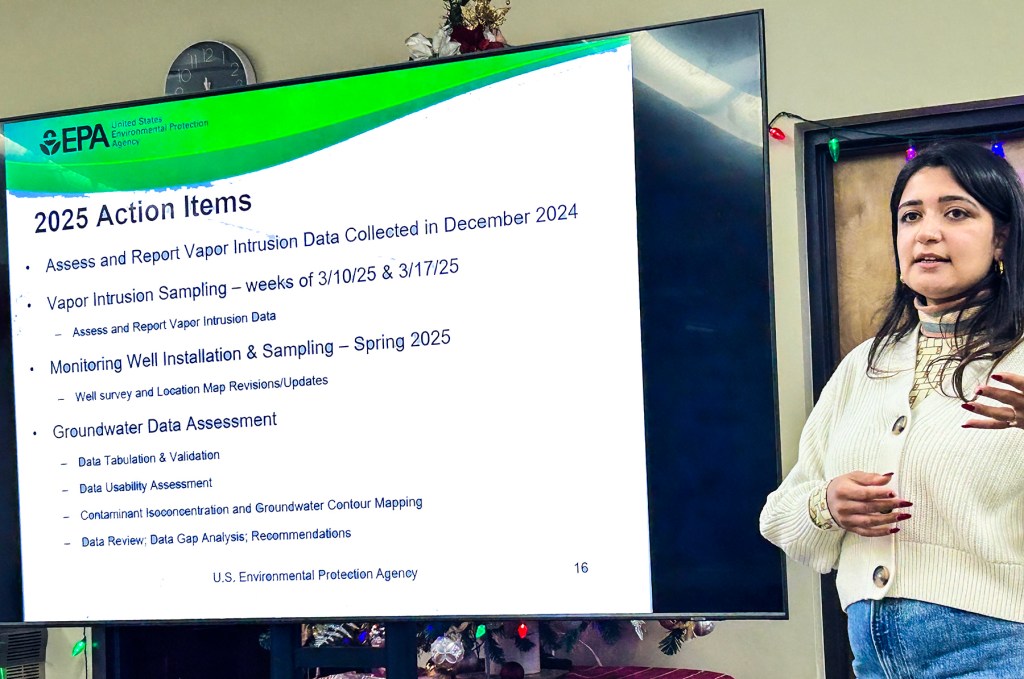
The U.S. Environmental Protection Agency (EPA) will conduct free indoor air testing for the third year in a row in homes and businesses in and around the Meeker Avenue Plume investigation area. The EPA is signing up homes and businesses within this plume’s zone to test the indoor air for vapors. If vapors are detected, mitigation systems will be installed at no cost to the property owner, in order to eliminate toxic levels of chemicals in the air. Residents/owners of the building will be responsible only for the cost of the electricity it takes to run the unit, an average estimate is $47 per building; split up among the units the average cost is $8.
The upcoming testing period is scheduled for the weeks of March 10 and March 17. The EPA will sample the indoor air and vapors beneath residential and commercial buildings within the site in order to understand if contaminants in the soil and groundwater at the site are posing a risk to people. If you’d like to have your property tested for vapor intrusions or ask the EPA to get in touch with your landlord about vapor intrusion testing, please email John Brennan – Brennan.John.F@epa.gov.
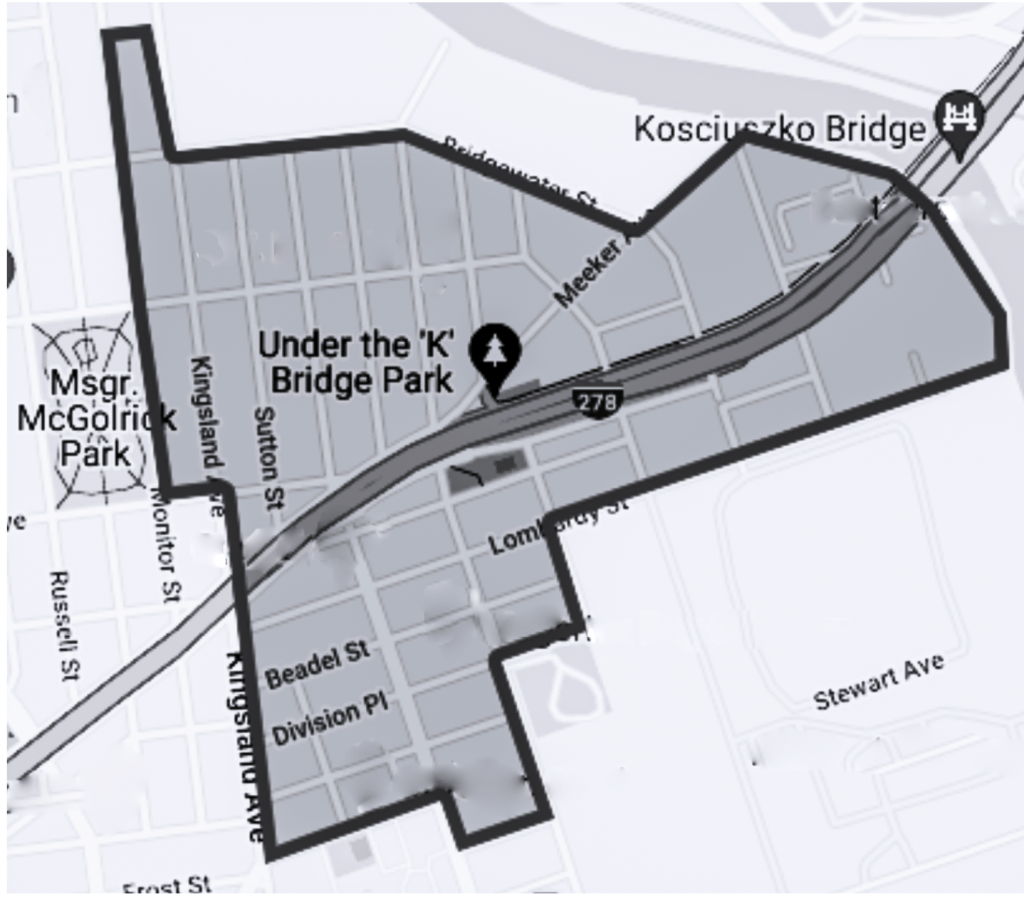
As of December 2023, 193 properties have had indoor air testing. As a result, state and federal agencies installed mitigation systems in 30 buildings.
The testing entails the installation of a soil vapor port in the basement floor that samples vapors trapped under the foundation or in the sub-slab. A 1.5-inch hole is then drilled at the location, the vapor port is inserted into the hole and the hole is filled with a quick-setting cement. After sampling, this vapor port can be left in place or removed by the EPA. There will be a total of three visits, the first two will take between 60 and 90 minutes, and the final visit takes between 30 and 60 minutes.
The EPA added the Meeker Avenue site to the Superfund National Priorities List in March 2022. The soil and groundwater are contaminated with chlorinated volatile organic compounds, or CVOCs, including tetrachloroethylene, or PCE, trichloroethylene, or TCE, cis- 1,2-dichloroethylene, or DCE, and vinyl chloride, which can seep into basements as vapors and affect indoor air quality.
If you are interested in hearing information more directly and giving feedback, all are welcome to join the Meeker Plume Community Advisory Group (CAG); no prior knowledge or expertise is required. The CAG meets monthly however as it is unlikely that EPA will have received validated data from the December 2024 indoor air monitoring tests or the late 2024 groundwater monitoring events before Spring 2025 meetings have been suspended until April 9, 2025 from 6 p.m. to 8 p.m. at St. Nicks Alliance/Evergreen 2 Kingsland Avenue, garden level.

 The Greenline