

A year ago North Brooklyn Neighbors and NYU Medical School/NYU Langone Health began to collect community data and input on ways the NuHart State Superfund site at 65 Dupont effected area residents. They recently published their findings based on responses from 196 community members.
The site has been undergoing cleanup overseen by the New York State Department of Environmental Conservation (DEC) since 2022. The cleanup included removing deeply buried contaminated soil and mixing some of it with concrete to prevent further spread of the chemicals. At a NuHart community meeting held on June 9, Jane O’Connell, regional remediation engineer for DEC, stated, “We are very close to the finish line. We are on the one-yard line now.” A certificate of completion for the site is anticipated by the end of June.
From 1950 until 2004, NuHart was a plastics factory. In 2010, it was declared a State Superfund site due to the discovery of two toxic underground plumes. One of these plumes contained phthalates and the other contained trichloroethylene that can be harmful to health.
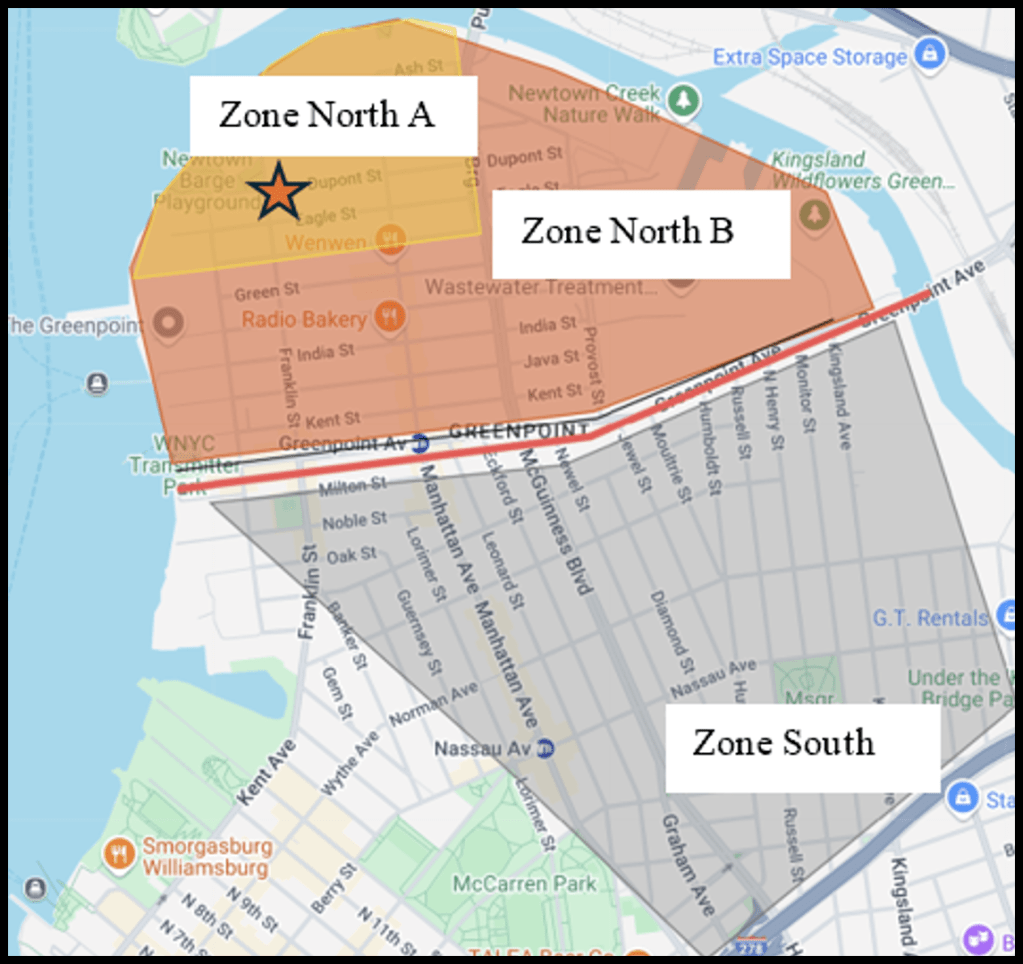
Many residents have had long-standing concerns about how the site and its cleanup might have affected their health. North Brooklyn Neighbors saw a need for a health survey which gathered information directly from the people living nearby.
In general, “this survey did not find any strong relationships between proximity to the site and specific health issues, a majority of respondents still felt that living near the site had affected their health in some way, highlighting ongoing community concerns about potential health risks. Additionally, age and the length of time people had been living in the area were associated with higher reporting of certain health issues.”
196 residents participated in the survey. 104 of them were within a two-block radius of the NuHart site.
One question on the survey asked if the proximity of the site influenced behavioral changes. The survey found that 82% of those living in the zone closest to the site did alter their behavior. 61% made changes in the second closest survey area to the site. Whereas, 49% of those in the survey zone farthest from the site behaved differently.
Another question asked if they had ever been diagnosed with any of 78 different health outcomes, including immune diseases, infectious illnesses, and different types of cancers. Across all zones, the 4 most commonly reported health issues were: seasonal allergies, high cholesterol, flu, and high blood pressure. When asked if they felt the NuHart site had affected their health in any way, 58% of total participants said yes.
The survey results suggest, “These findings thus clearly show there is a need for ongoing community education and more exposure assessment about the site by the authorities in charge, especially as new buildings are constructed and plans to build a school across next to the site moves ahead. The question continues as to whether the site is impacting people’s overall well-being and sense of safety.”

 The Greenline