
Applies to 1-year or 2-year leases for rent-stabilized apartments
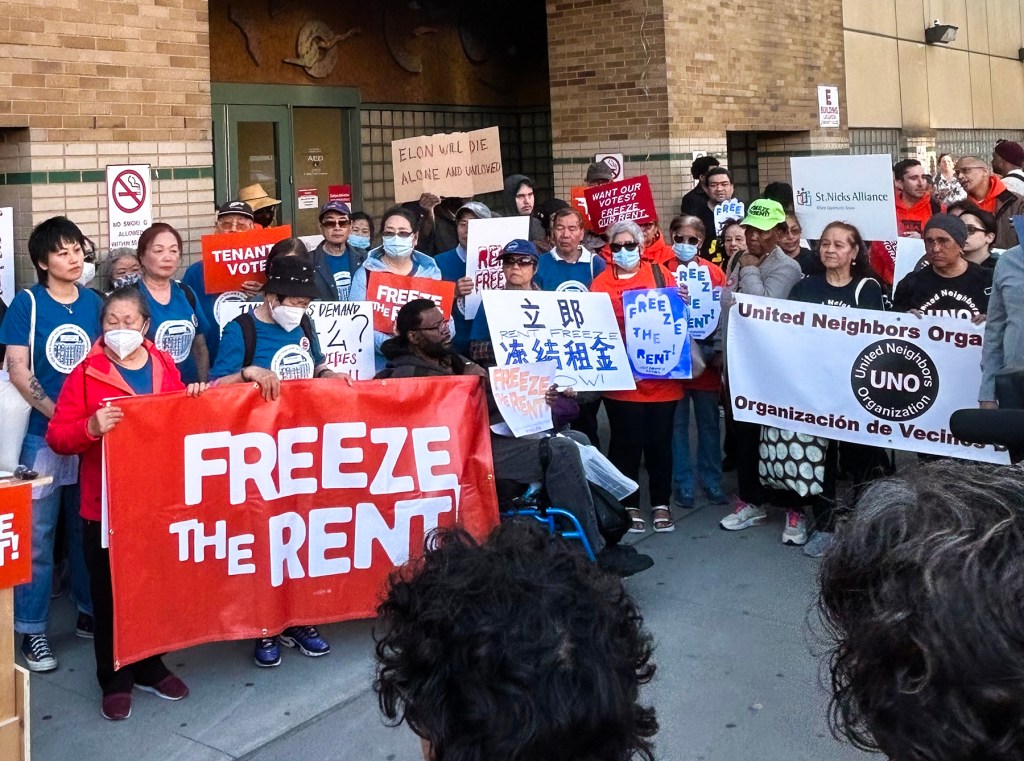
On June 25, the NYC Rent Guidelines Board (RGB) vote on rent increases resulted in a 7 to 1 in favor of a rent freeze for not only one-year leases but also included two-year leases in the freeze. This will apply to rent-stabilized apartments for leases that will commence during October 1, 2026 through September 30, 2027.
Tenant advocates from all over the city annually campaign for a rent freeze. This year, there was extra hope for this possibility when Zohran Mamdani as a candidate for Mayor promised a rent freeze and was elected. His victory was strengthened by the fact more voters participated in this mayoral election than any other since 1969.
“The Rent Guidelines Board hearing filled me with pride. Seeing tenants from all over New York City come together with one voice to defend their interests and demand a rent freeze reminded me that we are stronger when we stand united. This event showed that ordinary people are willing to fight for housing that is truly affordable,” said Luz Rosero, President of United Neighbors Organization (UNO).
In February, the mayor appointed six new members to the RGB, which is composed of nine members total: two that represent tenant interests, two that represent owner interests, and five (which includes the chair) that represent the general public. Of the six, Mamdani appointed the chair and three public representatives, an owner representative, and he reappointed one of the current tenant representatives.
Those mathematically inclined may have noticed that only eight voted in the final vote. This was due to Christina Smyth, and owner representative on the RGB, resigning in protest hours before the voting took place. The sole vote that voted against the rent freeze belonged to one of the public representatives, Arpit Gupta, an associate professor of finance at NYU Stern who was reappointed by Eric Adams.
Smyth contends in her resignation letter that this vote was predetermined. In her own words, “The Rent Guidelines Board has stopped being a fact-finding body. It has become a body that starts with an answer and vibe codes its way backward to justify it.”
Although he voted against the rent freeze, Gupta stated he witnessed no interference from the mayor’s office to influence the vote, and that the administration respected the RGB’s independence. His vote underlined his view that building owner’s operating costs remain high and public resources are not in place to offset those costs. He also sees the validity of rent freezes in certain circumstances, such as during COVID.
In RGB Chair Chantella Mitchell’s statement on the board’s final vote she shared, “In weighing this year’s guidelines, I consider the full evidentiary record and its implications. The data make clear that current economic conditions place meaningful constraints on tenants, while also showing that, in aggregate, most owners remain able to meet rising costs without experiencing comparable levels of financial distress. At the same time, it is important to acknowledge that a small subset of owners are facing severe financial pressure. Despite clear evidence that tenants concentrated in those buildings cannot absorb additional rent increases, these owners’ need for relief is real and, in some cases, urgent.” The chair went on to say, “While the Department of Housing Preservation and Development outlined efforts to address these [owner] challenges in their testimony to the Board, the effectiveness of those efforts will depend on whether relief is timely and accessible to the owners most in need.


